
Cursed inheritances

COLUMNISTA
En estos días hemos visto en el Grand Awards chat una referencia a un personaje que de una forma u otra nunca se olvida. Carlos I de España y V como Sacro Emperador Romano Germánico, que eufemísticamente se dice V de Alemania, pero precisemos un poco. Alemania como nación fue la última en integrarse como tal en Europa, en 1880. En la época de la que se habla era un conglomerado de estados independientes, que eran electores de ese título. El título de Sacro Emperador Romano Germánico no era hereditario, era electivo. Por ejemplo, Carlos, a pesar de ser nieto del anterior Emperador, su abuelo Maximiliano I de Austria, tuvo como rival en la elección a ese título, a su rival en todo, Francisco I de Francia, que por avatares de sus vidas llegó a ser su cuñado sin dejar de ser rival. Los electores decidieron por Carlos, pero podía haber sido el otro.
These days we’ve seen in Grand Awards chat a reference to a character who in one way or another is never forgotten. Charles I of Spain and V as Holy Roman Emperor, euphemistically called V of Germany, but let’s be more precise. Germany as a nation was the last to integrate as such into Europe, in 1880. At the time in question, it was a conglomerate of independent states, which were electors of that title. The title of Holy Roman Emperor was not hereditary, it was elective. For example, Charles, despite being the grandson of the previous Emperor, his grandfather Maximilian I of Austria, had as a rival in the election for that title, his rival in everything, Francis I of France, who by twists and turns of their lives became his brother-in-law without ceasing to be a rival. The electors decided on Charles, but it could have been another one.
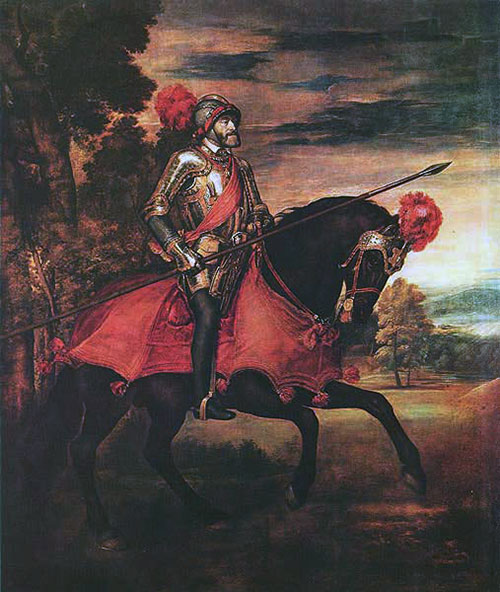
La increíble herencia de Carlos. De su madre Juana I de Castilla, heredó todos los reinos de la Península Ibérica, excepto Portugal; los insulares de Baleares y Canarias; territorios del norte de África; los reinos de Nápoles y Sicilia; el Milanesado y… América.
The incredible legacy of Charles I. From his mother, Joanna I of Castile, he inherited all the kingdoms of the Iberian Peninsula, except Portugal; the Balearic and Canary Islands; territories in North Africa; the kingdoms of Naples and Sicily; the Milanese and… America.
De su padre Felipe I Gran Duque de Borgoña, heredó el Ducado de Borgoña y el Franco Condado, que en el siglo XVI ocupaba parte de la actual Francia, Flandes y los Países Bajos. Él mismo nació en Gante. De su abuelo Maximiliano, Austria, territorios alemanes y la influencia de los llamados príncipes Electores.
From his father, Philip I, Grand Duke of Burgundy, he inherited the Duchy of Burgundy, which in the 16th century encompassed parts of present-day France, Flanders, and the Netherlands. He himself was born in Ghent. From his grandfather, Maximilian, he inherited Austria, German territories, and the influence of the so-called Electors.
En la Historia de Europa nadie, nunca había heredado tanto. Pero no fue una suerte, solo una incesante fuente de problemas y guerras en las que estuvo envuelto las tres cuartas partes de su vida.
In the history of Europe, no one had ever inherited so much. But it wasn’t luck, just an incessant source of trouble and wars in which he was embroiled for three-quarters of his life.
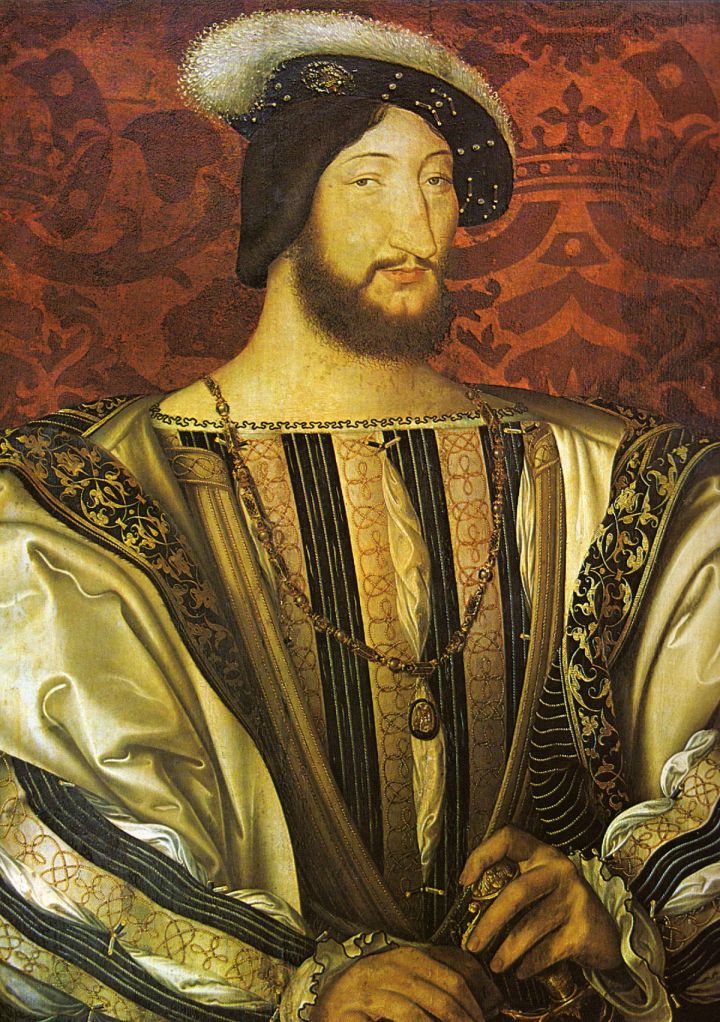
Los reinos de Europa no aceptaron nunca su hegemonía. Lo que hubo entre él y Francisco I de Francia fue obsesivo. Francisco fue vencido y hecho prisionero en la batalla de Pavía. (Italia, 1525) Fue traído como prisionero a Madrid y se dice que estuvo durante siete meses encerrado en la Torre de los Lujanes. Al cabo negociaron la salida de la situación concertando el matrimonio de Francisco con una de las hermanas de Carlos, Leonor. El pacto fue roto en cuanto el francés puso pie en su país, las guerras por territorios en Francia e Italia siguieron y Leonor fue humillada como esposa el resto de su vida.
The kingdoms of Europe never accepted his hegemony. The dispute between him and Francis I of France was obsessive. Francis was defeated and taken prisoner at the Battle of Pavia (Italy, 1525). He was brought as a prisoner to Madrid and is said to have been imprisoned for seven months in the Torre de los Lujanes. Eventually, they negotiated a way out of the situation by arranging Francis’s marriage to one of Charles’s sisters, Eleanor. The pact was broken as soon as the Frenchman set foot in his country; territorial wars in France and Italy continued, and Eleanor was humiliated as a wife for the rest of her life.
El Imperio Otomano estaba en su cúspide. Invadió Europa y a punto estuvieron de llegar hasta Viena, la capital de Austria en 1529. Ahí estaba Carlos para apagar ese fuego. Las guerras son caras y hay que financiarlas. Carlos, que pasó muy poco tiempo en España, venía siempre que necesitaba dinero para cubrir los préstamos que le hacían bancos flamencos y alemanes. Reunía las Cortes, conseguía financiación, entre otras la del famoso “Quinto” de la Corona de los metales preciosos americanos. Su banquero principal, Jacob Fugger, llegó a tener una residencia en Extremadura.
The Ottoman Empire was at its peak. It invaded Europe and nearly reached Vienna, the capital of Austria. Charles was there to put out that fire. Wars are expensive and must be financed. Charles, who spent very little time in Spain, came whenever he needed money to cover the loans he received from Flemish and German banks. He held parliamentary meetings and secured financing, including the famous «Fifth of the Crown» of American precious metals. His main banker, Jacob Fugger, even had a residence in Extremadura.
Es decir, Carlos venía a España para conseguir dinero para sus guerras y para hacer un nuevo hijo a su mujer, Isabel de Portugal, que reinaba en su nombre en ausencia y que finalmente falleció de postparto. Carlos nunca volvió a casarse, aunque tuvo amantes tan notorias como la madre de su carismático bastardo Don Juan de Austria, la alemana Bárbara Blomberg.
That is, Charles came to Spain to raise money for his wars and to have another child for his wife, Isabella of Portugal, who reigned in his name in his absence and ultimately died of childbirth. Charles never remarried, although he had notorious lovers such as the mother of his charismatic bastard, Don Juan of Austria, the German Barbara Blomberg.
El Papado y el Imperio eran los dos superpoderes políticos que cohabitaban en la Europa renacentista. Y hacían sus alianzas en función de sus intereses de cada momento. Al superpoder Papado le molestaba el superpoder imperial y hablamos de un Papa de la familia Médici de Florencia, la familia política más poderosa de Italia. Papa o no, había mamado la alta política. La cuestión no era Carlos, era el Imperio y esto le llevó a aliarse con el otro gran rival del Imperio: Francia.
The Papacy and the Empire were the two political superpowers that coexisted in Renaissance Europe. And they made their alliances based on their interests at the time. The superpower Papacy resented the imperial superpower, and we’re talking about a Pope from the Medici family, the most powerful political family in Italy. Pope or not, he had been absorbed in high politics. The issue wasn’t Charles, it was the Empire, and this led him to ally himself with the Empire’s other great rival: France.
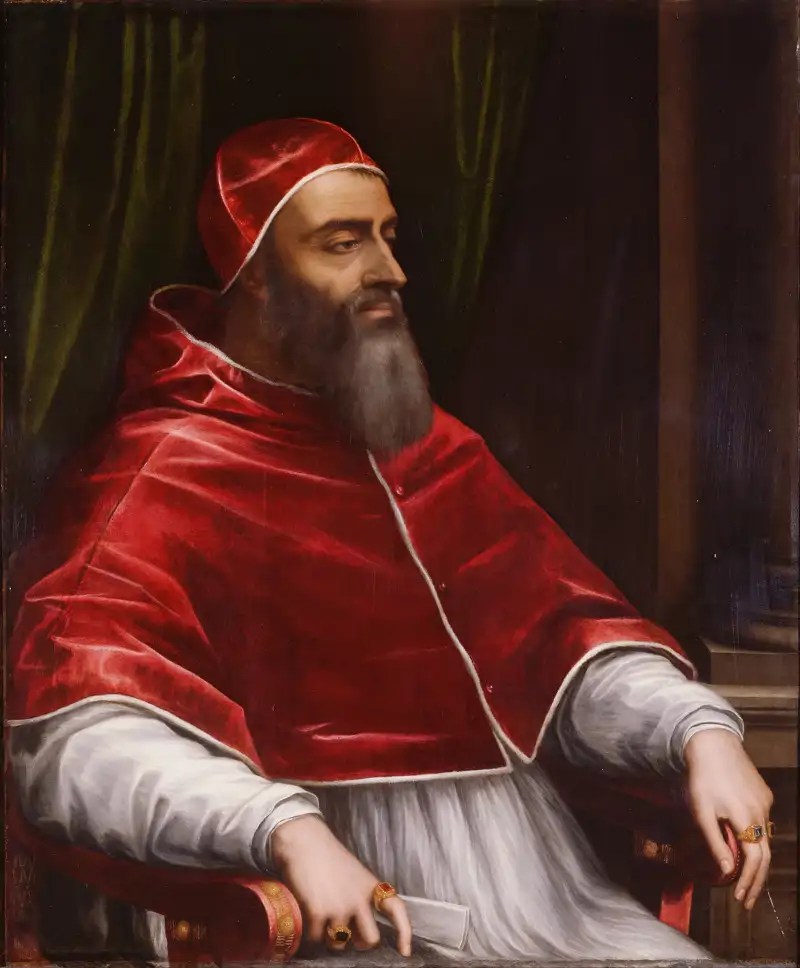
Como Papa Clemente VII Médici, formó la Liga de Cognac en 1526 con Francia, Venecia, Florencia, y Milán contra Carlos y la República de Génova. El Emperador reunió un ejército de catorce mil mercenarios alemanes y seis mil soldados españoles e italianos del Reino de Nápoles. Se disputaban el control de Italia. Las cosas le fueron bien al ejército Imperial. Derrotó a los Sforza de Milán, al propio ejército papal en Toscana. Pero surgió el problema de los mercenarios.
As Pope Clement VII Medici, he formed the League of Cognac in 1526 with France, Venice, Florence, and Milan against Charles and the Republic of Genoa. The Emperor assembled an army of fourteen thousand German mercenaries and six thousand Spanish and Italian mercenaries from the Kingdom of Naples. They fought for control of Italy. Things went well for the Imperial army. It defeated the Sforzas of Milan and the papal army itself in Tuscany. But the problem of the mercenaries arose.
Pese a todas las victorias, no habían recibido su paga. Y para procurarse la compensación no recibida decidieron marchar sobre Roma y saquear la ciudad. Su jefe militar, el vencedor de Pavía, Carlos de Borbón, no hay certeza de si no pudo o no quiso negarse.
Despite all the victories, they had not received their pay. And to obtain the unpaid compensation, they decided to march on Rome and sack the city. Their military leader, the victor of Pavia, Charles of Bourbon, is uncertain whether he could or would refuse.
El “sacco” de Roma conmocionó a Europa y debilitó al Papado. Carlos, que no necesitaba en absoluto que el Papa le coronase Emperador, quiso humillarle organizando su coronación en la capital de uno de los Estados Pontificios: Bolonia.
The «sack» of Rome shocked Europe and weakened the Papacy. Charles, who didn’t need the Pope to crown him Emperor, sought to humiliate him by organizing his coronation in the capital of one of the Papal States: Bologna.
En Inglaterra, más sutilmente pero de forma tan eficaz que perdura hasta hoy, crearon la “Leyenda negra” de España. Enrique VIII, como antes habían hecho los Príncipes Electores alemanes, más parte de los Países Bajos, se desligaron de un plumazo de los dos superpoderes, Papado e Imperio, acogiéndose a los cambios religiosos promovidos por Martin Luther en 1521.
In England, more subtly but so effectively that it endures to this day, they created the «Black Legend» of Spain. Henry VIII, like other German Prince Electors and part of the Netherlands before him, broke away from the two superpowers, the Papacy and the Empire, embracing the religious changes promoted by Martin Luther in 1521.
El origen de los Protestantismos fue una cuestión de intereses políticos y económicos.
The origin of Protestantism was a matter of political and economic interests.
Otro motivo más de guerras para Carlos V, pues sus intereses caían del lado del catolicismo.
Yet another reason for war for Charles V, as his interests lay with Catholicism.
En 1555, exhausto, envejecido, enfermo y harto de una vida llena de problemas, guerras, intereses y traiciones abdicó de todos sus cargos ante los Estados Generales en Bruselas: La herencia española y flamenca a favor de su hijo Felipe II. La herencia germánica e Imperial a su hermano Fernando.
In 1555, exhausted, aged, sick, and fed up with a life filled with problems, wars, interests, and betrayals, he abdicated all his positions before the States General in Brussels: the Spanish and Flemish inheritance in favor of his son Philip II. The Germanic and Imperial inheritance to his brother Ferdinand.
Él que había usado a España para sus intereses, que nunca llegó a hablar correctamente español, que sí hablaba correctamente flamenco, alemán y francés, decidió terminar sus días en un monasterio perdido en el interior de tierras extremeñas. El Monasterio de Yuste.
He, who had used Spain for his own interests, who had never been able to speak Spanish fluently, but who did speak Flemish, German, and French fluently, decided to end his days in a remote monastery in the interior of Extremadura: the Monastery of Yuste.
Murió el 21 de septiembre de 1558.
He died on September 21, 1558.
Sic transit gloria mundi.
Descubre más desde LA AGENCIA MUNDIAL DE PRENSA
Suscríbete y recibe las últimas entradas en tu correo electrónico.
