
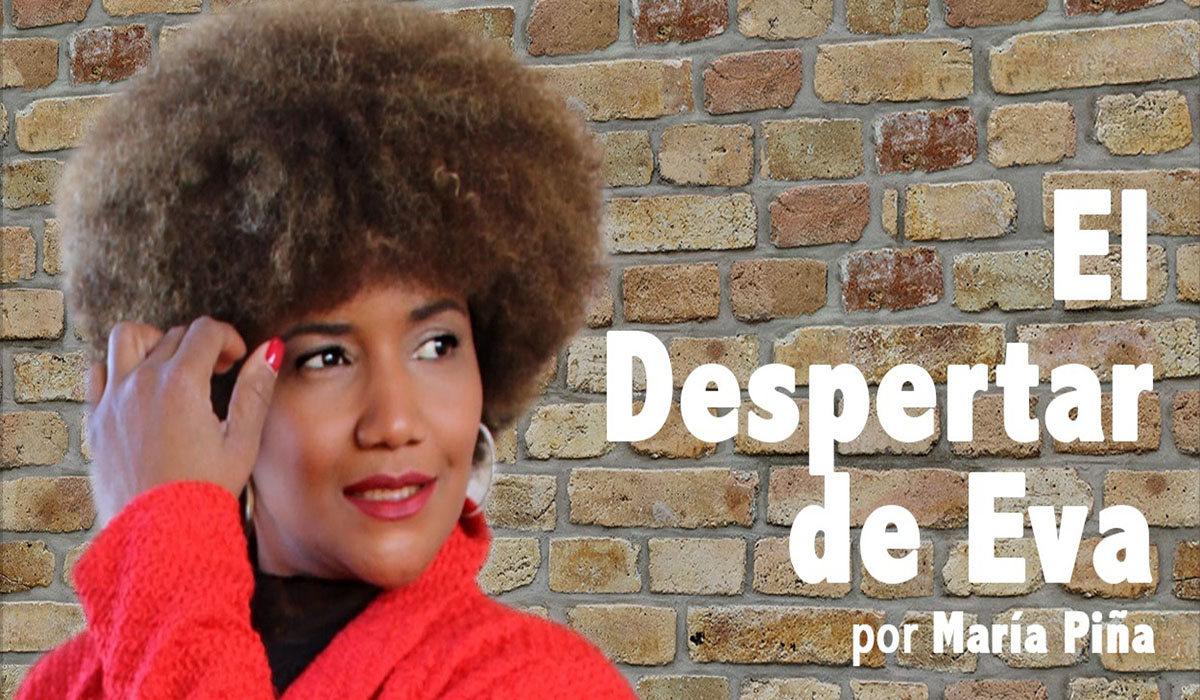
El despertar de Eva: La muerte de la mujer “buena” parte II Los 3 venenos y la verdad que nadie te enseñó
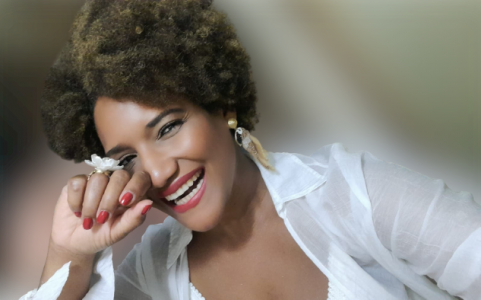
COLUMNISTA
We were raised to be «good girls.» To please, to be agreeable, to not raise our voices, to avoid conflict. We were rewarded for being quiet, obedient, and silent. Thus, without realizing it, many women were shaping a personality that was more centered on what others expected of us than on who we really were.
Nos educaron para ser “buenas niñas”. Para agradar, complacer, no levantar la voz, evitar el conflicto. Nos premiaban por ser tranquilas, obedientes, calladitas. Así, sin darnos cuenta, muchas mujeres fuimos moldeando una personalidad centrada más en lo que los demás esperaban de nosotras que en lo que realmente éramos.
Since we were little girls, we were taught that being «good» was synonymous with being valuable. That our love should be measured by our capacity for sacrifice, our virtue by our submission, and our strength by our silence. But what happens when you discover it was all a deception?
Desde niñas, nos enseñaron que ser «buenas» era sinónimo de ser valiosas. Que nuestro amor debía medirse por nuestra capacidad de sacrificio, nuestra virtud por nuestra sumisión, y nuestra fuerza por nuestro silencio. Pero ¿qué pasa cuando descubres que todo esto fue un engaño?
But there comes a time in life—sometimes after a breakup, motherhood, illness, loss, or simply accumulated fatigue—when that mold begins to break. And it hurts. Because you realize that being «good» has cost you too much. In this second part of EVE’S AWAKENING, I invite you to identify the three most common poisons we carry with us from that identity and, above all, the great truth that no one taught us.
Pero llega un momento en la vida —a veces tras una ruptura, una maternidad, una enfermedad, una pérdida o simplemente el cansancio acumulado— en que ese molde comienza a romperse. Y duele. Porque te das cuenta de que ser “buena” te ha costado demasiado. En esta segunda parte del DESPERTAR DE EVA, te invito a identificar los tres venenos más comunes que arrastramos desde esa identidad y, sobre todo, la gran verdad que nadie nos enseñó.

1 Obedience as a Virtue / La Obediencia como Virtud
You were told that being «good» meant following the rules without question. That your worth depended on how well you met other people’s expectations.
Te dijeron que ser «buena» significaba seguir las reglas sin cuestionar. Que tu valor dependía de cuán bien cumplías expectativas ajenas.
• The lie: «If you are accommodating, you will be loved.«La mentira: «Si eres complaciente, serás amada».
• The truth: Obedience without discernment is not a virtue, it is self-effacement. The women who changed the world did so not by following orders, but by daring to disobey. La verdad: La obediencia sin discernimiento no es virtud, es autoanulación. Las mujeres que cambiaron el mundo no lo hicieron por seguir órdenes, sino por atreverse a desobedecer.
«Your voice is not a mistake. Your rebelliousness is not a flaw. It’s your nature seeking to express itself.»
«Tu voz no es un error. Tu rebeldía no es un defecto. Es tu naturaleza buscando expresarse.»
2 The poison of self-betrayal / El veneno de la auto traición
Have you ever said «yes» when you meant «no»? Have you ever put yourself last to avoid being annoying or to keep the peace? Every time you do this, you’re betraying yourself. And the worst part is, over the years, you don’t even notice it: it becomes automatic.
¿Alguna vez has dicho “sí” queriendo decir “no”? ¿Te has puesto en último lugar por no molestar o por mantener la paz? Cada vez que lo haces, te estás traicionando a ti misma. Y lo peor es que, con los años, ni siquiera lo notas: se vuelve automático.
We’ve become experts at swallowing our emotions. At letting them go. At justifying the unjustifiable. But when you keep quiet about what you feel, you accumulate resentment. And over time, that turns into anxiety, insomnia, and apathy. It’s not laziness. It’s a soul tired of not being heard. And, about that chronic guilt we carry… it’s no coincidence. It’s an emotional inheritance. We were raised to put everyone before ourselves. To serve, to care, to give. And when you decide to take care of yourself, even a little, that structure falters. Guilt is the emotional whip of the «good» woman.
Nos volvimos expertas en tragarnos nuestras emociones. En dejar pasar. En justificar lo injustificable. Pero cuando callas lo que sientes, acumulas resentimiento. Y con el tiempo, eso se convierte en ansiedad, en insomnio, en desgano. No es flojera. Es el alma cansada de no ser escuchada por ti.
Y, sobre esa culpa crónica que cargamos… no es casual. Es una herencia emocional. Nos educaron para poner a todos antes que a nosotras. Para servir, para cuidar, para dar. Y cuando decides cuidarte a ti, aunque sea un poco, esa estructura se tambalea. La culpa es el látigo emocional de la mujer “buena”.
3 The poison of fear of standing out / El veneno del miedo a destacar
You prepared, you worked hard, you have talent. But when the opportunity to show yourself arrives, something inside you holds back. What if they criticize me? What if I fail? What if I’m annoying? Often, we don’t fear failure, but success. Because standing out means being seen, and being seen means risk. And there’s the echo of childhood: «Don’t be conceited,» «don’t think too highly of yourself,» «be humble.» So you make yourself small, you self-sabotage, you hide behind perfectionism or «I’m not ready.» But deep down, you know you could do more… if only you gave yourself permission.
Te preparaste, te esforzaste, tienes talento. Pero cuando llega la oportunidad de mostrarte, algo dentro de ti se frena. ¿Y si me critican? ¿Y si fracaso? ¿Y si molesto?
Muchas veces no tememos al fracaso, sino al éxito. Porque destacar implica ser vista, y ser vista implica riesgo. Y ahí está el eco de la infancia: “No seas presumida”, “no te creas mucho”, “sé humilde”.
Entonces te haces pequeña, te autosaboteas, te escondes detrás del perfeccionismo o del “no estoy lista”. Pero en el fondo, sabes que podrías más… si tan solo te dieras permiso.
The great truth that no one taught you / La gran verdad que nadie te enseñó
You didn’t come into this world to be «good» by anyone’s standards. You came to be you. Complete, authentic, ever-changing, intense if you are, sensitive if you feel it. The world doesn’t need more good women who hold back to please. It needs free, conscious, brave women. Women who listen to themselves. Who reconcile themselves with their voice, their body, their truth. And that begins with a decision: to stop betraying yourself and start choosing yourself. Every day, a little more.
No viniste a este mundo a ser “buena” según los estándares de nadie. Viniste a ser tú. Completa, auténtica, cambiante, intensa si lo eres, sensible si lo sientes.
El mundo no necesita más mujeres buenas que se apagan para agradar. Necesita mujeres libres, conscientes, valientes. Mujeres que se escuchen a sí mismas. Que se reconcilien con su voz, con su cuerpo, con su verdad.
Y eso comienza con una decisión: dejar de traicionarte y empezar a elegirte. Cada día, un poquito más.
A woman who has left behind the myth of the «good woman»: / Una mujer que ha dejado atrás el mito de la «buena mujer»:
• He speaks without apology (he knows his voice deserves to be heard). Habla sin disculparse (sabe que su voz merece ser escuchada).
• He chooses reciprocal relationships (he no longer rescues those who don’t want to be saved). Elige relaciones recíprocas (ya no rescata a quienes no quieren salvarse).
• Honor her fatigue (do not glorify «heroin fatigue»). Honra su fatiga (no glorifica el «cansancio de heroína»).
• He feels guilty… and acts the same (guilt is no longer his compass). Siente culpa… y actúa igual (la culpa ya no es su brújula).
The paradox is that when you stop being «good» to them, you can finally be good to yourself. And you might ask yourself, «Now what?»
La paradoja es que; cuando dejas de ser «buena» según ellos, por fin puedes ser buena contigo misma.
Y te preguntarás ¿Y ahora qué?
Well, look, maybe you can’t undo years of upbringing and conditioning today. But you can start by recognizing. By realizing. By telling yourself the truth. Can you imagine what your life would be like if you stopped carrying these poisons? What would it be like if you gave yourself permission to shine, without guilt?
Pues mira, tal vez hoy no puedas deshacer años de educación y condicionamiento. Pero sí puedes comenzar por reconocer. Por darte cuenta. Por decirte la verdad. ¿Te imaginas cómo sería tu vida si dejaras de cargar con estos venenos? ¿Cómo sería si te dieras el permiso de brillar, sin culpas?
Today I want to share with you this letter I’ve written and follow. It’s my personal matra, and I’d love for it to help you. It’s the letter for the awakening woman…
Hoy quiero compartirte esta carta que he hecho y que sigo, es mi matra personal y me encantaría que pueda ayudarte. Es la carta para la mujer que despierta…
«Dear you: You don’t need to be small to be loved. You are not too much; you are in a world still learning to sustain your greatness. Your pleasure is not a sin, it’s your right. Your anger is not a danger, it’s your truth. You no longer have to ask permission to exist. Here and now, you can let go of the burden of being ‘good’… and discover the freedom of being real.»
«Querida tú:
No necesitas ser pequeña para ser amada.
No eres demasiado, estás en un mundo que aún aprende a sostener tu grandeza.
Tu placer no es pecado, es tu derecho.
Tu ira no es peligro, es tu verdad.
Ya no tienes que pedir permiso para existir.
Aquí y ahora,
puedes soltar el peso de ser ‘buena’…
y descubrir la libertad de ser real».
If anything I’ve told you today moved you, even a little, share it with a woman who needs to hear this. Because revolutions begin quietly… but spread like a roar.
Si algo de lo que te he contado hoy, te movió por dentro, aunque sea un poco, compártelo con una mujer que necesite escuchar esto. Porque las revoluciones empiezan en voz baja… pero se expanden como un rugido.
This article was written by a woman who no longer apologizes for existing. Thank you for being here. Thank you for waking up with me. Until the next installment of Eve’s Awakening.
Este artículo fue escrito por una mujer que ya no pide perdón por existir.
Gracias por estar aquí. Gracias por despertar conmigo.
Hasta la próxima entrega de El Despertar de Eva.
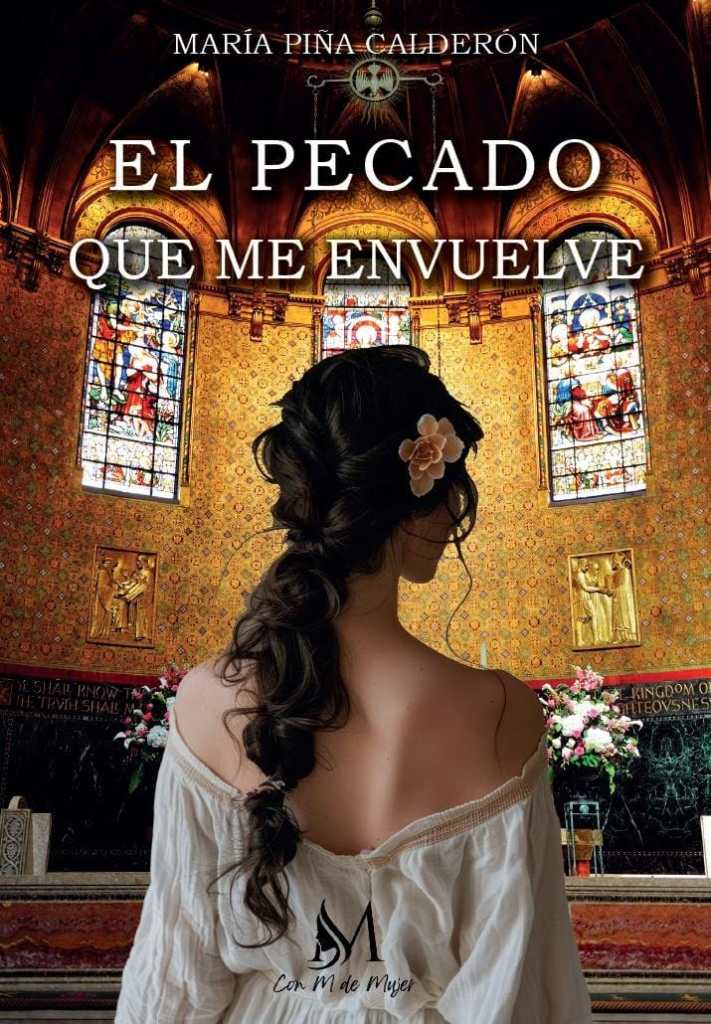
P.S.: I invite you to discover Sofía’s awakening process in my novel «The Sin That Envelops Me,» now available here: https://conmdemujer.es/producto/el-pecado-que-me-envuelto/ Soul hugs, María Piña
Post data: te invito a descubrir el proceso del despertar que ha tenido Sofía en mi novela “El pecado que me envuelve” ya disponible aquí: https://conmdemujer.es/producto/el-pecado-que-me-envuelve/
Abrazos del alma,
María Piña

Descubre más desde LA AGENCIA MUNDIAL DE PRENSA
Suscríbete y recibe las últimas entradas en tu correo electrónico.

