

COLOMBIA: FESTIVITIES OF OUR LADY OF CANDELARIA, RELIGIOUS CULTURAL TRADITION OF CARTAGENA

GUILLERMO LOZANO SARAH. Periodista, Escritor, Docente Universitario, CDG de Turismo.
Prensa Especializada
Este 02 de febrero Cartagena de Indias, celebra una de sus mas tradicionales fiestas religiosas culturales de la ciudad y de Colombia las fiestas en honor de Nuestras Señora de la Candelaria, el emblemático Cerro de la Popa y sus alrededores es el epicentro de esta tradición, llena de historias fantásticas, misterios, cuentos, leyendas alrededor de ella.
This February 2, Cartagena de Indias, celebrates one of its most traditional religious cultural festivals in the city and in Colombia, the festivals in honor of Our Lady of Candelaria, the emblematic Cerro de la Popa and its surroundings is the epicenter of this tradition, full of fantastic stories, mysteries, tales, legends around it.
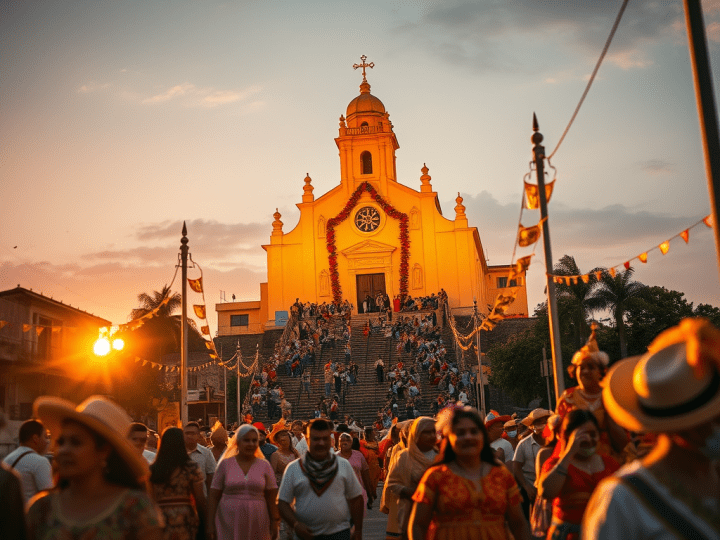
HISTORIA Y LEYENDAS DEL CERRO DE LA POPA / HISTORY AND LEGENDS OF CERRO DE LA POPA.
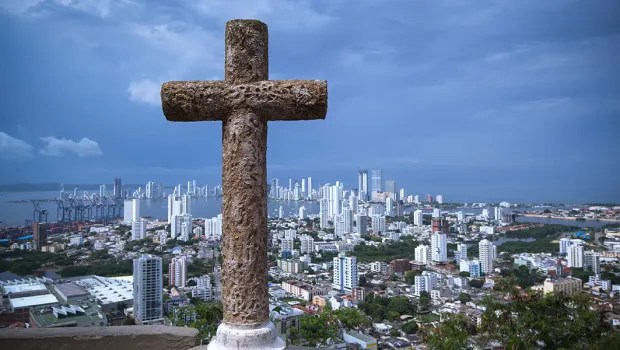
El cerro de la popa, es el monte más elevado de Cartagena de Indias, fue descubierto por los españoles en el 1510, nunca se imaginaron ver una enorme galera que sobresalía del mar, por la que la llamaron cerro de la Galera, y a la cima la popa de la galera, años mas tarde los Cartageneros la bautizaron el cerro de la Cruz, por la cruz que en se encuentra allí. En la cima se encuentra la Iglesia y convento colonial de la orden de los Agustinos Recolecto construido entre 1606 y 1611, con una altura de 139 metros sobre el nivel del mar.
The Cerro de la Popa is the highest mountain in Cartagena de Indias. It was discovered by the Spanish in 1510. They never imagined seeing an enormous galley protruding from the sea, which is why they called it Cerro de la Galera, and at the top The stern of the galley, years later the Cartageneros baptized it the Cerro de la Cruz, after the cross that is found there. At the top is the colonial Church and convent of the Recolecto Augustinian order, built between 1606 and 1611, with a height of 139 meters above sea level.
Cuenta la historia que en la cima los indios y esclavos africanos adoraban a Buziraco o Cabro Uri que tenia apariencia de un macho cabrío, y la leyenda cuenta que el Fray Alonso de la Cruz Paredes, quien vivía en Ráquira Boyacá, la Virgen María se le apareció en sueño y le ordeno erigir un monasterio en el lugar más elevado de la ciudad de Cartagena, asi lo hizo y a su llegada al cerro lanzo la imagen adorada y la arrojo cuesta abajo y desde entonces a este sitio se le conoce como el Salta del Cabron,único lugar de la popa donde no existe su verde vegetación. Su culto fue remplazado por el de la imagen venerada de la Virgen de la Candelaria, pintura de origen colonial, que representa una virgen de raza negra o morena que hoy es la patrona de Cartagena de Indias.
The story goes that at the top the Indians and African slaves worshiped Buziraco or Cabro Uri who had the appearance of a goat, and the legend says that Fray Alonso de la Cruz Paredes, who lived in Ráquira Boyacá, the Virgin Mary He appeared in a dream and ordered him to build a monastery in the highest place in the city of Cartagena. He did so and upon his arrival at the hill he threw the worshiped image and threw it. downhill and since then this place has been known as Salta del Cabron, the only place in the stern where its green vegetation does not exist. Her cult was replaced by that of the venerated image of the Virgin of Candelaria, a painting of colonial origin, which represents a black or brown virgin who is today the patron saint of Cartagena de Indias.
El papa Juan Pablo II en su visita a Cartagena corono canónicamente a la Virgen el Domingo 06 de julio de 1986, en su retablo dorado de la capilla.
Pope John Paul II, during his visit to Cartagena, canonically crowned the Virgin on Sunday, July 6, 1986, in her golden altarpiece in the chapel.
Son muchos los milagros que se atribuyen a la Virgen de la Candelaria, que es bajada en procesión desde la cima, hasta la Ermita del Pie de la popa el día 02 de febrero de cada año, en la Ermita permanece la Imagen de la Virgen por 8 días que la vuelven a subir.
There are many miracles that are attributed to the Virgin of Candelaria, which is lowered in procession from the top to the Hermitage of Pie de la Popa on February 2nd of each year. The Image of the Virgin remains in the Hermitage for 8 days they raise it again.
Cartagena premiada en Feria Mundial de Turismo Religioso.
Cartagena awarded at the World Religious Tourism Fair.
El Cerro de la Popa, convento y santuario es otro de los sitios de interés turístico de Cartagena de Indias, que acaba de ser premiada en Feria mundial por el Turismo Religioso. La ciudad fue seleccionada entre mas de 600 experiencias y destinos en todo el mundo. La Revista al Aire Libre en la versión de los Premios de FITUR, otorga a la ciudad el premio: Cartagena de Indias, nueva apuesta del producto Turismo Religioso en la categoría Internacional.
The Cerro de la Popa, convent and sanctuary is another of the sites of tourist interest in Cartagena de Indias, which has just been awarded at the World Fair for Religious Tourism. The city was selected from more than 600 experiences and destinations around the world. The Outdoor Magazine in the version of the FITUR Awards, awards the city the prize: Cartagena de Indias, a new bet for the Religious Tourism product in the International category.
En junio del 2024 Cartagena de Indias fue admitida en la Red Mundial de Destinos Turísticos Religiosos y Espirituales Junto a Referentes del mundo como Lourdes, Fátima, Roma o la Meca.
Felicitaciones a Corpoturismo, Secretaria de Turismo y a la Arquidiócesis de Cartagena.
In June 2024, Cartagena de Indias was admitted to the World Network of Religious and Spiritual Tourist Destinations along with world leaders such as Lourdes, Fátima, Rome or Mecca. Congratulations to Corpoturismo, Secretary of Tourism and the Archdiocese of Cartagena.
Descubre más desde LA AGENCIA MUNDIAL DE PRENSA
Suscríbete y recibe las últimas entradas en tu correo electrónico.

