
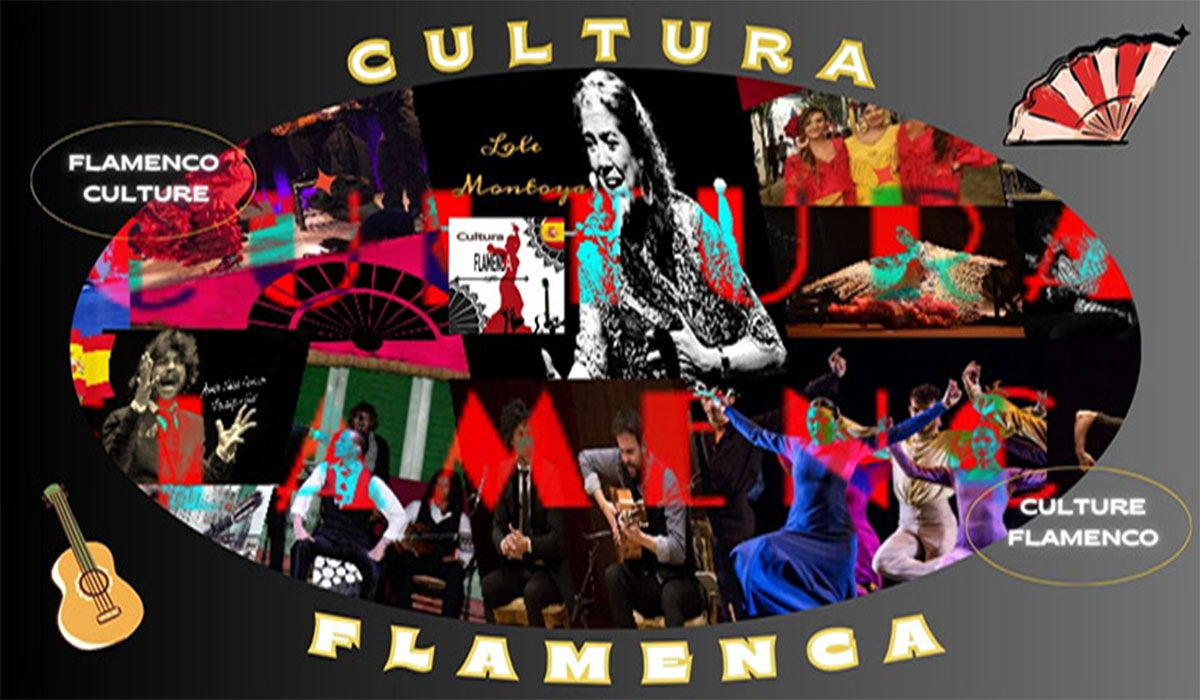
THE «FLAMENCO» ITS MAGIC AND CHARM
El flamenco originario de Andalucía, hace que Sevilla España, sea una de las cunas del flamenco en Andalucía, un arte convertido en un atractivo turístico de esta ciudad y una experiencia muy recomendable para disfrutar de la fuerza, el talento, el arte y el duende de un baile, un cante y una música que es universal de gran contenido estético con una gran personalidad, mediante la síntesis, lenta e imbricados de procesos de alambicación de los fecundos elementos musicales que fueron decantando por la culturización de las distintos pueblos que se asentaron en sus tierras y que le diferencia del resto de géneros en el mundo.
Flamenco, originally from Andalusia, makes Seville, Spain, one of the birthplaces of flamenco in Andalusia, an art that has become a tourist attraction in this city and a highly recommended experience to enjoy the strength, talent, art and duende. of a dance, a song and a music that is universal with great aesthetic content with a great personality, through the slow and intertwined synthesis of the alambication processes of the fruitful musical elements that were favored by the culturalization of the different peoples who settled in their lands and that differentiate them from the rest of the genres in the world.
El Flamenco desde mi punto de vista, es una gran cultura en la que sus creadores se preocuparon que esta nueva manifestación artística se impregnara de todas las aspiraciones humanas que surgían en la sociedad del romanticismo y de la igualdad, una identidad una nacionalidad, casi, por su gran conjunto de costumbres y usos propios. Fruto de la influencia y el mestizaje de varias culturas como la gitana, árabe, cristiana, judía y que a lo largo de su historia ha pasado de ser una música de baile popular a una compleja forma de arte reconocida y celebrada en todo el mundo.
Flamenco, from my point of view, is a great culture in which its creators were concerned that this new artistic manifestation would be impregnated with all the human aspirations that arose in the society of romanticism and equality, an identity, a nationality, almost, due to its large set of customs and customs. Fruit of the influence and mixing of various cultures such as gypsy, Arab, Christian, Jewish, and throughout its history it has gone from being a popular dance music to a complex art form recognized and celebrated throughout the world.
Sobre su denominación no hay unanimidad, pero una teoría indica que flamenco deriva del término andalusí ‘fellah min gueir ard’, expresión que significa algo así como ‘campesino sin tierra’. Y aunque su nacimiento se fija en el siglo XVIII, el flamenco tiene sus raíces en épocas anteriores, incluyendo elementos de danza y musicales de otras culturas anteriores y cuyo mestizaje dio lugar al surgimiento de este arte andaluz. La cultura que se asocia al Flamenco es la gitana, ya que es la que más a aportado al desarrollo de este arte asi como las influencias africanas y caribeñas.
There is no unanimity regarding its name, but one theory indicates that flamenco derives from the Andalusian term ‘fellah min gueir ard’, an expression that means something like ‘landless peasant’. And although its birth dates back to the 18th century, flamenco has its roots in previous times, including dance and musical elements from other previous cultures and whose mixing gave rise to the emergence of this Andalusian art. The culture that is associated with Flamenco is the gypsy, since it is the one that has contributed the most to the development of this art as well as African and Caribbean influences.
El motor del progreso del Flamenco ha sido la innovación, particularidad que siempre ha estado presente en la historia de esta música, dirigiendo su evolución y caracterizando la obra de sus artistas más destacados al lado de una rama más tradicionalista. Si bien en sus inicios eras solo cante, con el tiempo fue introduciendo el baile y la música, principalmente de la guitarra, combinación fruto de las influencias que el flamenco ha recibido de culturas anteriores tales como: Los cantos populares y música tradicional de Andalucía, los cantos gregorianos de las sinagogas judías. Los sonidos árabes y ritmos africanos. Y si nos detenemos en el baile Flamenco, también podemos encontrar la herencia cultural de bailes tradicionales de diferentes rincones de la geografía española, de danzas africanas, bailes de la India que los gitanos trajeron a Andalucía. Y cada cultura a aportado tanto al baile como a su música la gracia, picardía, elegancia y frescura es influencia andaluza, el el temperamento y la garra interpretativa tiene el sello de la gitana y por último, los contoneos y la sensualidad es influencia de la cultura africana. Paralelamente a esta dicotomía entre la innovación y la tradición.
The driving force behind the progress of Flamenco has been innovation, a particularity that has always been present in the history of this music, directing its evolution and characterizing the work of its most prominent artists alongside a more traditionalist branch. Although in the beginning it was only singing, over time it was introduced dance and music, mainly the guitar, a combination resulting from the influences that flamenco has received from previous cultures such as: Popular songs and traditional music from Andalusia, the Gregorian chants of the Jewish synagogues. Arabic sounds and African rhythms. And if we stop at the Flamenco dance, we can also find the cultural heritage of traditional dances from different corners of the Spanish geography, African dances, dances from India that the gypsies brought to Andalusia. And each culture has contributed both to the dance and to its music. The grace, mischief, elegance and freshness is an Andalusian influence, the temperament and the interpretive claw have the seal of the gypsy and finally, the swagger and sensuality is the influence of the African culture. Parallel to this dichotomy between innovation and tradition.
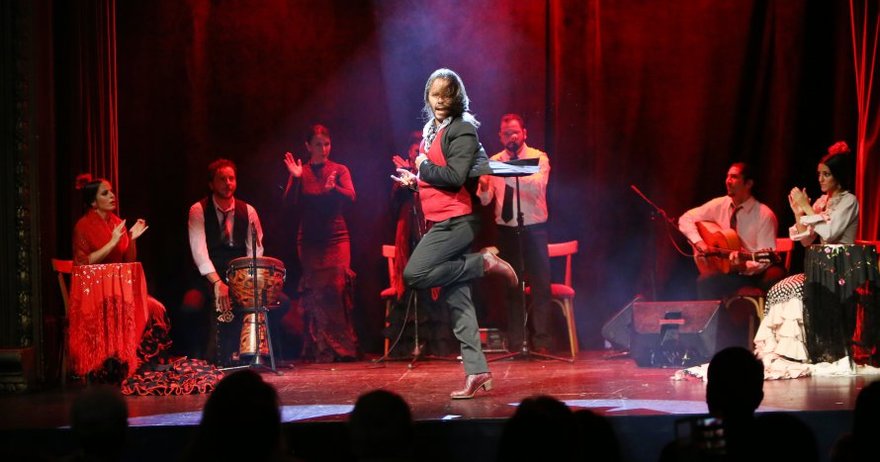
El FLAMENCO entonces es la resulta de la unión de la música vocal, el arte de la danza y el acompañamiento musical, denominados respectivamente cante, baile y toque. Arte musical que sigue en crecimiento y evolución con todo su abanico de variables artísticas, en el toque, baile, cante o la percusión. En sus inicios el Flamenco parte con elementos musicales que son todo el acervo musical que existía en España, todas las músicas que a lo largo de los siglos han sido acogidas por los practicantes y el público, materia prima con la que se crean una nueva música, y así siguen con esta continua evolución.
FLAMENCO then is the result of the union of vocal music, the art of dance and musical accompaniment, respectively called singing, dancing and playing. Musical art that continues to grow and evolve with all its range of artistic variables, in playing, dancing, singing or percussion. In its beginnings, Flamenco starts with musical elements that are the entire musical heritage that existed in Spain, all the music that over the centuries has been welcomed by practitioners and the public, raw material with which new music is created. , and so they continue with this continuous evolution.
El cante flamenco, se presenta al público en formato de dúo, es decir un cantaor o cantaora más la persona que le a compaña con la guitarra. Otra variante de exposición del flamenco es en grupo (Cuadro Flamenco) de músicos los cuales cantan, tocan la guitarra y/o bailan interpretando algunos de los diferentes estilos que conforman la música flamenca. También se le considera música moderna: culta porque contiene ideas, costumbres, creencias, concepción del mundo y de las pasiones que mueven a los ciudadanos que viven su tiempo y por consiguiente influyen en este estilo musical. De hecho algunos elementos que caracterizan a la música impresionista están presentes en el flamenco: la elasticidad rítmica, la libertad para cambiar la duración de las notas, consustancial al flamenco y esta cualidad se llama carga melismática. La armonía tonal, también esta presente.
Flamenco singing is presented to the public in a duo format, that is, a singer or cantaora plus the person who accompanies him or her on the guitar. Another variant of flamenco exhibition is in a group (Flamenco Painting) of musicians who sing, play the guitar and/or dance interpreting some of the different styles that make up flamenco music. It is also considered modern music: cultured because it contains ideas, customs, beliefs, conception of the world and the passions that move citizens who live their time and therefore influence this musical style. In fact, some elements that characterize impressionist music are present in flamenco: rhythmic elasticity, the freedom to change the duration of the notes, inherent to flamenco and this quality is called melismatic charge. Tonal harmony is also present.
El baile flamenco es una forma de expresar los sentimientos, las pasiones a través de movimientos que surgen de las danzas que contiene esta música. Su técnica es compleja y la interpretación según la creatividad del artista que lo ejecute, si es un hombre lo bailará con gran fuerza recurriendo sobre todo a los pies; y si es una mujer con movimientos más sensuales.
Flamenco dance is a way of expressing feelings and passions through movements that arise from the dances contained in this music. Its technique is complex and the interpretation depends on the creativity of the artist who performs it. If it is a man, he will dance it with great strength, resorting mainly to his feet; and if it is a woman with more sensual movements.
El toque de la guitarra flamenca, disciplina que más ha evolucionado ya que en un inicio su primitiva función era de acompañamiento del baile y del cante. La guitarra se acompaña también con otros instrumentos: castañuelas, cajones, también con palmas y tacones.
The playing of the flamenco guitar, a discipline that has evolved the most since initially its primitive function was to accompany dancing and singing. The guitar is also accompanied by other instruments: castanets, cajones, also with claps and heels.
Los flamencos tienen la habilidad de arreglar canciones y estéticas de otros géneros y convertirlas en piezas con todo el contenido de su idiosincrasia, que define a la música flamenca siendo los ritmos en el flamenco de tangos, fandangos, de solea, de seguirrilla y sin ritmo. Entre los elementos básicos que les distinguen tenemos unos ritmos muy especiales y complejos, que estos artistas denominan como compas por: ya sea de; Soleá, Tangos, Fandangos, Seguidillas, conocido como compás flamenco y el ritmo de la música flamenca que le confiere una personalidad muy identificativa, pues contiene gran variedad rítmica que va desde ritmos compuestos, otros sin exigencia rítmica como los estilos libres y ritmos simples, ya sean binarios o ternarios.
Flamencos have the ability to arrange songs and aesthetics from other genres and turn them into pieces with all the content of their idiosyncrasy, which defines flamenco music, being the rhythms in flamenco of tangos, fandangos, solea, seguirilla and without rhythm. . Among the basic elements that distinguish them we have very special and complex rhythms, which these artists call compas por: either from; Soleá, Tangos, Fandangos, Seguidillas, known as flamenco compás and the rhythm of flamenco music that gives it a very identifying personality, as it contains a great rhythmic variety that ranges from composed rhythms, others without rhythmic demand such as free styles and simple rhythms, whether binary or ternary.
En cuanto al sonido característico de la guitarra y modos de cantar, bailar y tocar que le marcan con un sello pasional en el que el papel de los poemas o letras que se cantan le da una manera de ver e interactuar con el mundo por lo que la gran variedad de melodías que lo conforman le dan un amplio espectro de estilos y sub estilos.
Regarding the characteristic sound of the guitar and ways of singing, dancing and playing that mark it with a passionate seal in which the role of the poems or lyrics that are sung gives it a way of seeing and interacting with the world so The great variety of melodies that make it up give it a wide spectrum of styles and sub-styles.
El ritmo de la música flamenca es un elemento de gran magnitud y le confiere una personalidad muy identificativa, pues contiene gran variedad rítmica que va desde ritmos compuestos, otros sin exigencia rítmica como los estilos libres y ritmos simples, ya sean binarios o ternarios.
The rhythm of flamenco music is an element of great magnitude and gives it a very identifying personality, as it contains a great rhythmic variety that ranges from composed rhythms, others without rhythmic demand such as free styles and simple rhythms, whether binary or ternary.
La interpretación del flamenco se se da para la celebración de festividades religiosas, rituales, ceremonias sacramentales y fiestas privadas.
The interpretation of flamenco is given for the celebration of religious festivities, rituals, sacramental ceremonies and private parties.
El flamenco consigue emocionar tanto a los ejecutores como a su público por el cúmulo de emociones que contiene, fin por el que fue creado. Fué el gran escritor Federico García Lorca quien lo denominó “Duende” otros lo llaman «Pellizco», por lo que es necesario que las tres disciplinas anteriormente mencionadas se ejecuten de forma radical, como música gestada en el romanticismo, la condición más importante es que esta se exprese de forma diferente a las músicas que se hacen en su propio tiempo.
Flamenco manages to excite both the performers and their audience due to the accumulation of emotions it contains, the purpose for which it was created. It was the great writer Federico García Lorca who called it «Duende», others call it «Pellizco», so it is necessary that the three disciplines mentioned above are executed in a radical way, like music conceived in romanticism, the most important condition is that This is expressed differently from the music that is made in its own time.
Como dije al inicio de esta columna, es una cultura de identidad de muchos grupos y comunidades, sobre todo de étnica gitana factor fundamental en su evolución y la tradición del flamenco se da por generaciones dentro del seno de dinastías de artistas, familias, peñas de flamenco y agrupaciones sociales, con un papel determinante en la preservación y difusión de este arte enarbolado de magia y encantos.
As I said at the beginning of this column, it is a culture of identity of many groups and communities, especially of the gypsy ethnic group, a fundamental factor in its evolution and the tradition of flamenco occurs for generations within dynasties of artists, families, clubs of flamenco and social groups, with a determining role in the preservation and dissemination of this art full of magic and charm.
En resúmen… El Flamenco es el resultado de una mezcla multicultural del que se puede disfrutar con Espectáculos que se celebran en los tablaos y otros en el que el público puede conocer en primera persona la pasión y emociones que posee este arte universal que lo caracteriza como por sus letras flamencas cargadas de dolor, alegría, pasión, angustia, amor o desamor, entre otros sentimientos.
In summary… Flamenco is the result of a multicultural mix that can be enjoyed with shows that are held in tablaos and others in which the public can learn in first person the passion and emotions that this universal art possesses. characterized by its flamenco lyrics full of pain, joy, passion, anguish, love or heartbreak, among other feelings.
Descubre más desde LA AGENCIA MUNDIAL DE PRENSA
Suscríbete y recibe las últimas entradas en tu correo electrónico.


Definitivamente os hago una exhortación para conocer esta maravillosa cultura en todo el mundo porque es mucho más de lo que se piensa. Hablar de Flamenco es hablar de Cultura y más aún porque es una cultura que es base de inspiración para muchas corrientes y movimientos
Me gustaMe gusta